
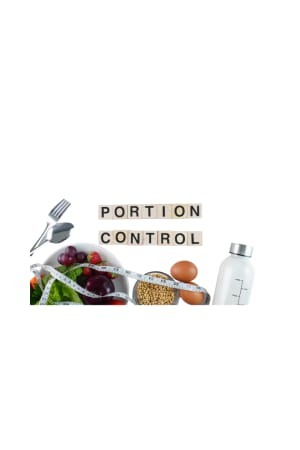
Portions vs. Servings: What’s the Deal?
You’ve probably heard me say it more than once:
Practice portion control
It’s one of the most important habits to maintain a healthy weight and overall wellness. But let’s be honest—portion control isn’t always easy to understand, especially when portion sizes and serving sizes often get confused.
So let’s break it down.
—
Portion vs. Serving: What’s the Difference?
A portion is how much food you choose to eat at one time. This can be more or less than the standard ‘serving size.’
A serving is a measured amount of food recommended by nutritional guidelines (like those from the USDA).
You can portion out 2 cups of pasta, but the standard serving size is just ½ cup —see the disconnect?
To practice real portion control, you need to understand both what a serving size looks like and how many servings of each food group you need per day.
—
Starches
Recommended: 6–11 servings per day
1 slice of bread
½ cup rice, pasta, or cereal
1 cup ready-to-eat cereal
1 tortilla
1 serving of fruit or starchy vegetable (e.g. corn, potato) may also count
Pro Tip:Whole grains offer more fiber and nutrients—so try to get most of your starches from whole grain sources.
—
Fruits
Recommended: 2–4 servings per day
1 medium apple or orange
½ large banana
¾ cup fruit juice
½ cup chopped, cooked, or canned fruit
—
Vegetables
Recommended: 3–5 servings per day
1 cup raw leafy greens
½ cup other vegetables (cooked or raw)
¾ cup vegetable juice
—
Proteins
Recommended: 2–3 servings per day
1 serving = 2–3 oz cooked meat, poultry, or fish
Other protein equivalents:
1 egg
2 tablespoons peanut butter
½ cup cooked beans
⅓ cup nuts
You’ll need more than one of these plant-based or alternative options to equal a full protein serving.
—
Dairy
Recommended: 2–3 servings per day
1 cheese stick
6 oz yogurt
½ cup milk
½ cup frozen yogurt or ice cream (in moderation!)
—
Takeaways & Tips
I know this can feel like a lot to track—don’t worry if it’s not second nature yet.
Here’s what I suggest:
Print this list and put it on your fridge
Refer to it while meal planning or serving up food
Don’t try to memorize it all at once—use it as a daily reference
And remember: everyone’s needs are different.
Things like your age, activity level, muscle mass, and metabolism affect how many servings you need each day.
A quick guide:
Lower end of servings: Less active or lower calorie needs
Higher end of servings: Active women, teens, and adult men
If you’re unsure of your specific needs, talk to Dr. Abu, Ayo or Patrick during your next visit—we’re here to help you figure out what works best for your goals and lifestyle.
Next Level Fitness is a small private fitness facility in Oakland, CA. It is located in the Grand Lake area of Oakland. Next Level Fitness provides chiropractic, personal training and small group training services to these areas of Oakland 94610, 94611, 94602. We cater to ‘Every-Body‘ but specialize in fitness services for adults 30(+).