
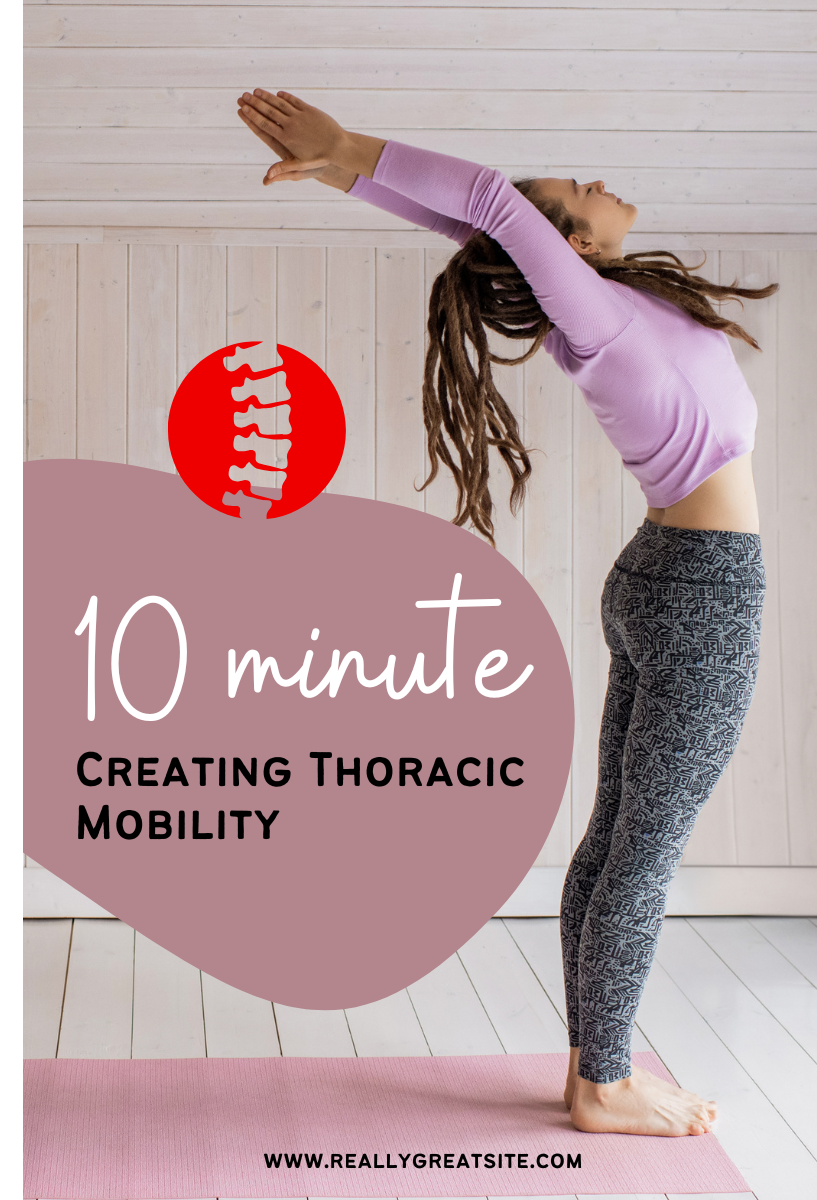
Understanding Thoracic Mobility and Its Role in Spinal Health
Thoracic mobility refers to the ability of the thoracic spine—the middle segment of the back comprising twelve vertebrae—to move freely and efficiently through various planes of motion. Unlike the lumbar or cervical regions, the thoracic spine is uniquely designed to facilitate rotation, flexion, and extension, serving as the pivotal axis around which much of the body’s movement occurs. This mobility is not merely a matter of flexibility; it encompasses the synergy of muscles, joints, and connective tissues working in harmony to allow the spine to adapt fluidly to daily demands.
The thoracic region plays a crucial role in maintaining overall spinal health. A well-functioning thoracic spine acts as a bridge connecting the stability of the lower back and the dynamic flexibility of the neck and shoulders. When thoracic mobility is optimal, it distributes movement evenly throughout the spine, reducing excessive strain on adjacent regions. In contrast, restricted thoracic movement can force the lumbar spine or cervical spine to compensate, often resulting in discomfort, postural imbalances, or even chronic pain.
Key Functions of Thoracic Mobility
- Facilitates Efficient Breathing: The thoracic spine supports rib cage expansion, allowing for deeper, more effective breaths, which is essential for both athletic performance and everyday vitality.
- Enhances Postural Alignment: Adequate mobility helps maintain an upright posture, minimizing the risk of slouching or developing rounded shoulders.
- Promotes Healthy Movement Patterns: Whether reaching overhead, twisting, or bending, thoracic mobility ensures smooth, pain-free motion across a range of activities.
Maintaining and improving thoracic mobility is fundamental not only for spinal health but also for overall functional movement. By prioritizing this region, individuals can safeguard their spine’s long-term resilience and unlock a greater range of motion throughout their bodies.
Common Factors That Limit Range of Motion in the Spine
Many individuals experience restricted spinal movement without fully realizing the underlying causes. The spine, a complex structure comprising vertebrae, intervertebral discs, ligaments, and muscles, relies on optimal mobility to support everyday motion, athletic performance, and long-term musculoskeletal health. Yet, several common factors can undermine this intricate balance and significantly limit range of motion.
Muscle Stiffness and Imbalances
One of the most prevalent contributors to limited spinal mobility is muscle stiffness. Prolonged periods of sitting, repetitive movements, or lack of regular stretching can cause the muscles surrounding the thoracic spine to tighten. Over time, these tight muscles restrict the spine’s ability to flex, extend, and rotate fully. Muscle imbalances, where certain muscle groups overpower others, also play a role—particularly when postural muscles become weak and compensatory tension develops in opposing groups. This imbalance often manifests as a reduced ability to twist or arch the back comfortably.
Poor Posture and Sedentary Lifestyles
Modern lifestyles characterized by excessive sitting and screen use have a profound impact on spinal health. Poor posture, such as slouching or hunching over devices, encourages the spine to settle into dysfunctional patterns. These habits not only compress the intervertebral discs but also cause ligaments and soft tissues to adapt to a limited range, making movement outside those habitual patterns more difficult and sometimes painful.
Loss of Joint Flexibility and Age-Related Changes
As we age, the joints and connective tissues of the spine naturally become less elastic. Degenerative changes, such as osteoarthritis or spinal disc dehydration, can further decrease the available range of motion. Additionally, injuries or conditions like scoliosis and chronic inflammation may create structural barriers, compounding the effects of everyday habits.
Recognizing these common factors is the first step toward restoring thoracic mobility and reclaiming a healthy, functional spine. By addressing muscle stiffness, correcting postural habits, and proactively managing joint health, it becomes possible to lay the groundwork for improved spinal range of motion.
Benefits of Enhanced Thoracic Mobility for Everyday Movement
Thoracic mobility, referring to the flexibility and range of motion within the mid-back region, plays a pivotal role in enabling the body to move efficiently and pain-free throughout daily activities. Often overlooked in favor of the neck or lower back, the thoracic spine serves as the crucial bridge between these regions, influencing overall spinal alignment, posture, and movement quality. When the thoracic spine is supple and mobile, it unlocks a cascade of positive effects that ripple into nearly every aspect of everyday life.
Improved Posture and Spinal Alignment
One of the most immediate benefits of enhanced thoracic mobility is improved posture. A flexible thoracic spine helps counteract the forward slump that often arises from prolonged sitting or screen time. This upright alignment not only reduces strain on the neck and lower back but also supports a more confident, open posture that can positively impact breathing and energy levels. With better spinal alignment, movements become more efficient, reducing fatigue and discomfort during routine tasks.
Greater Range of Motion in Functional Movements
Simple actions, such as reaching overhead, turning to look behind, or bending to tie shoelaces, all rely on proper thoracic mobility. When this area is restricted, the body compensates by overusing other joints, increasing the risk of pain or injury. Enhanced thoracic flexibility ensures that twisting, lifting, and reaching movements occur smoothly and safely, making daily chores and recreational activities more accessible and less taxing on the body.
Reduced Risk of Injury
Enhanced thoracic mobility also helps distribute mechanical stress across the spine, minimizing localized wear and tear. By allowing the upper back to move as intended, there is less compensatory movement in the shoulders, neck, and lower back. This balance is essential in preventing chronic pain and overuse injuries, particularly for those with active lifestyles or physically demanding jobs.
Ultimately, prioritizing thoracic mobility is a proactive strategy for preserving functional independence, comfort, and overall well-being in daily life. Enhanced movement in the thoracic spine lays the groundwork for a resilient, versatile body capable of meeting the demands of both routine and extraordinary activities.
Simple Exercises to Improve Thoracic Mobility and Mid Back Flexibility
Unlocking the full potential of your spine begins with targeted efforts to enhance thoracic mobility and mid back flexibility. While it may seem daunting, you can dramatically improve your movement and alleviate stiffness through a series of straightforward, effective exercises. These movements, when practiced consistently, help to maintain healthy posture, enable better athletic performance, and reduce the risk of injury by ensuring your spine moves as it was designed to.
Thoracic Spine Rotations
One of the most accessible ways to increase mobility in the mid back is through thoracic spine rotations. Begin by sitting on the floor with your legs crossed or kneeling on all fours. Place one hand behind your head, and with the other hand supporting your position, gently rotate your upper body to bring your elbow up toward the ceiling. This movement targets the rotational flexibility of the thoracic spine, loosening tight muscles and encouraging a greater range of motion.
Cat-Cow Stretch
The cat-cow stretch is a classic yoga pose that promotes both flexion and extension in the thoracic region. Start on your hands and knees, ensuring your wrists are beneath your shoulders and knees below your hips. As you inhale, arch your back and lift your chest for the “cow” pose; as you exhale, round your spine and tuck your chin for the “cat” pose. This rhythmic motion increases blood flow and gently mobilizes the entire spine, with special emphasis on the mid back.
Foam Roller Extensions
For a deeper stretch, incorporate foam roller extensions into your routine. Lie on your back with a foam roller positioned horizontally under your upper back. Support your head with your hands and gently arch backward over the roller, pausing to breathe deeply. This exercise helps counteract the effects of prolonged sitting and poor posture by extending the thoracic spine, encouraging greater flexibility.
By integrating these simple exercises into your daily routine, you lay the foundation for enhanced thoracic mobility and healthier movement patterns. As your mid back becomes more flexible, you’ll notice improved comfort and freedom in your everyday activities, paving the way for more advanced mobility work.