
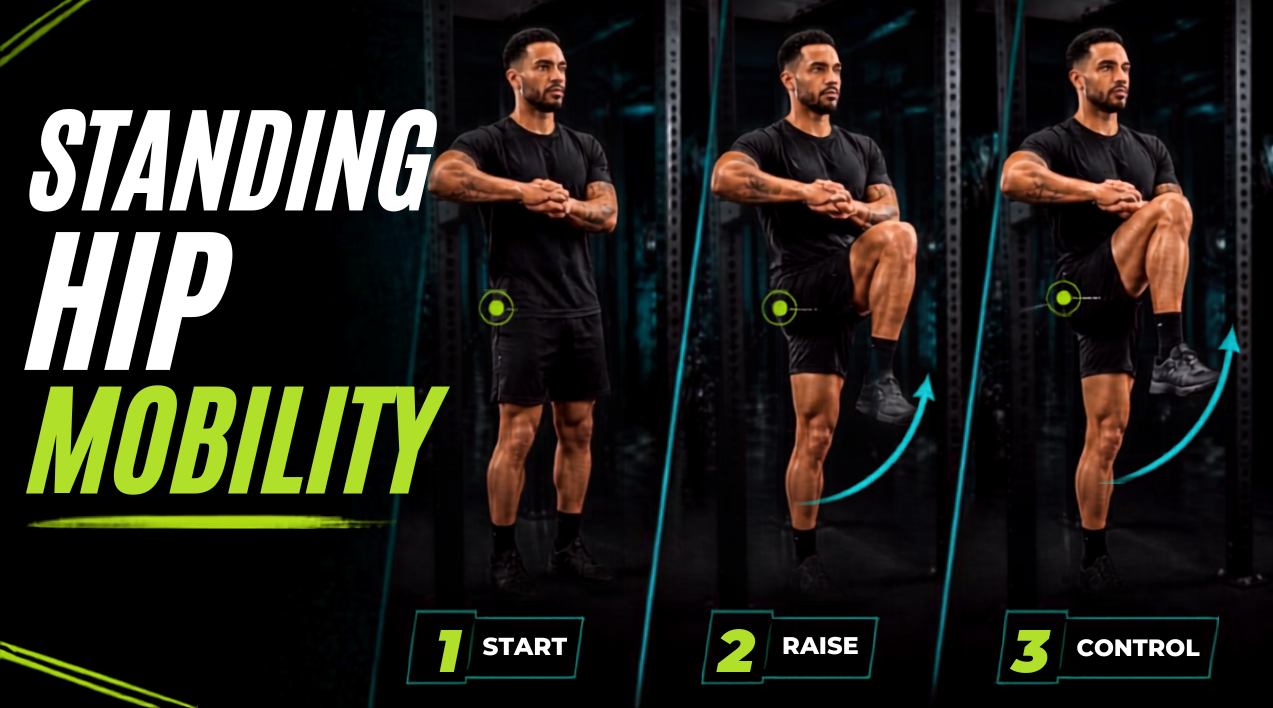
Understanding the Importance of Hip Mobility
Hip mobility forms the cornerstone of functional movement, influencing everything from athletic performance to daily comfort. The hip joint, one of the body’s largest and most versatile ball-and-socket joints, allows for a wide range of motion—rotation, flexion, extension, abduction, and adduction. When mobility in this area is compromised, it can lead to a ripple effect of challenges throughout the body. Tight or restricted hips often contribute to lower back pain, poor posture, and even knee discomfort, as the body compensates for the lack of movement where it should be most abundant.
Optimal hip mobility is not reserved for athletes alone; it’s essential for anyone who wants to move with ease and efficiency. Everyday activities such as walking, climbing stairs, bending, and sitting all rely on healthy, flexible hip joints. Without sufficient mobility, these simple actions can become uncomfortable or even painful over time. For fitness enthusiasts, limited hip movement can impede performance in exercises like squats, lunges, and running, increasing the risk of injury and reducing overall effectiveness.
Key Benefits of Improved Hip Mobility
- Enhanced athletic performance: More power and agility during physical activity.
- Reduced risk of injury: Less strain on surrounding joints and muscles.
- Better posture and alignment: Improved stability and core engagement.
- Greater comfort in daily tasks: Smoother, pain-free movement patterns.
Recognizing the importance of hip mobility is the first step toward unlocking better movement and overall well-being.
How Hip Mobility Impacts Your Range of Motion
Hip mobility is fundamental to achieving a full, healthy range of motion, influencing nearly every movement you make throughout the day. The hip joint, being a ball-and-socket structure, is designed for multidirectional movement — flexion, extension, abduction, adduction, and rotation. When the muscles and connective tissues surrounding the hips are supple and strong, they allow your legs and torso to move freely, reducing the risk of stiffness or injury.
Restricted hip mobility doesn’t just make activities like squatting, lunging, or even walking more difficult; it can also lead to compensations in other parts of the body. For example, if your hips are tight, your lower back may overwork to pick up the slack, heightening the risk of strains and chronic discomfort. Poor hip flexibility can also limit athletic performance, making it harder to achieve proper form and power during exercises such as running, jumping, or cycling.
Key Benefits of Optimal Hip Mobility
- Enhanced performance: Improved hip mobility translates into better movement mechanics and more efficient energy transfer during physical activities.
- Reduced injury risk: Flexible hips help distribute forces evenly across the joints, minimizing excessive stress on the knees and spine.
- Greater comfort in daily life: Everyday actions—like bending down, getting in and out of a car, or even sitting—become smoother and less taxing when your hips move freely.
Ultimately, prioritizing hip mobility not only supports athletic goals but also enhances overall quality of life, making every movement feel more natural and pain-free.
Common Causes of Limited Hip Movement
Limited hip mobility is a widespread concern that can hinder daily activities, athletic performance, and overall well-being. Understanding the root causes is essential for tackling stiffness and unlocking the hips’ full potential. Several factors contribute to restricted hip movement, ranging from lifestyle habits to underlying health conditions.
Sedentary Lifestyles and Prolonged Sitting
One of the most common culprits is a sedentary lifestyle. Modern routines often involve extended periods of sitting—at desks, in cars, or on couches—which leads to tightness in the hip flexors and surrounding muscles. When the hips remain in a flexed position for long stretches, the supporting tissues adapt by shortening and losing flexibility, restricting overall range of motion.
Muscle Imbalances and Weakness
Muscle imbalances, where certain muscle groups become stronger or tighter than their counterparts, can also impair hip mobility. For instance, overactive quadriceps combined with weak glutes and hamstrings may pull the pelvis out of alignment, generating stiffness and discomfort. Such imbalances are often the result of repetitive movement patterns or improper exercise routines.
Injury, Inflammation, and Structural Issues
Previous injuries, inflammation from overuse, or structural abnormalities like hip impingement and arthritis further contribute to limited movement. Scar tissue, joint swelling, or bone irregularities impede the smooth articulation of the hip joint, making everyday motions more challenging and sometimes painful.
Recognizing these common causes is the first step toward restoring hip mobility. By identifying the underlying issues, individuals can adopt targeted strategies to enhance flexibility, relieve discomfort, and regain freedom in their movement.
Effective Tips to Improve Hip Flexibility and Strength
Unlocking better movement begins with focused attention on hip mobility, a cornerstone for improved athletic performance and everyday ease. A balanced regimen that targets both flexibility and strength in the hip region not only reduces the risk of injury but also optimizes your body’s range of motion. Here are several actionable strategies to transform stiff hips into agile powerhouses.
Review this Video to learn how you can improve Hip joint function
https://youtube.com/shorts/UAwtm4C8V1Y?feature=share
Consistency is crucial—integrate these four exercises into your day and weekly routine. Over time increase the sets and reps as your mobility improves. With dedication, you’ll notice improved posture, greater freedom of movement, and a marked reduction in hip tightness, setting a strong foundation for any physical activity to come.
Daily Habits to Maintain Healthy Hip Mobility
Establishing daily habits that prioritize hip mobility can profoundly influence your overall movement quality, athletic performance, and day-to-day comfort. The hips serve as a pivotal point for nearly every movement, from walking and sitting to more dynamic activities like running or squatting. When neglected, they can quickly become tight or restricted, leading to discomfort and even injury. Incorporating mindful routines into your schedule not only keeps the hips limber but also supports a healthier, more active lifestyle.
Take Movement Breaks Throughout the Day
Sedentary habits are one of the main culprits behind poor hip mobility. Set reminders to stand up, walk around, or perform gentle hip openers every hour. Even brief bouts of movement can combat tightness and encourage optimal joint function.
Mind Your Posture and Sitting Habits
Be conscious of how you sit—crossing your legs or slouching can exacerbate hip tightness. Opt for ergonomic chairs and occasionally sit on the floor with your legs in different positions, such as butterfly or cross-legged, to encourage flexibility.
- Integrate foam rolling to release tension in surrounding muscles.
- Practice deep squats to maintain natural hip range of motion.
- Prioritize a warm-up before exercise and a cool-down afterward, both focusing on hip mobility.
By embedding these daily habits, you lay a solid foundation for unlocking better movement, ensuring your hips remain resilient and agile as you navigate both routine activities and physical pursuits.