
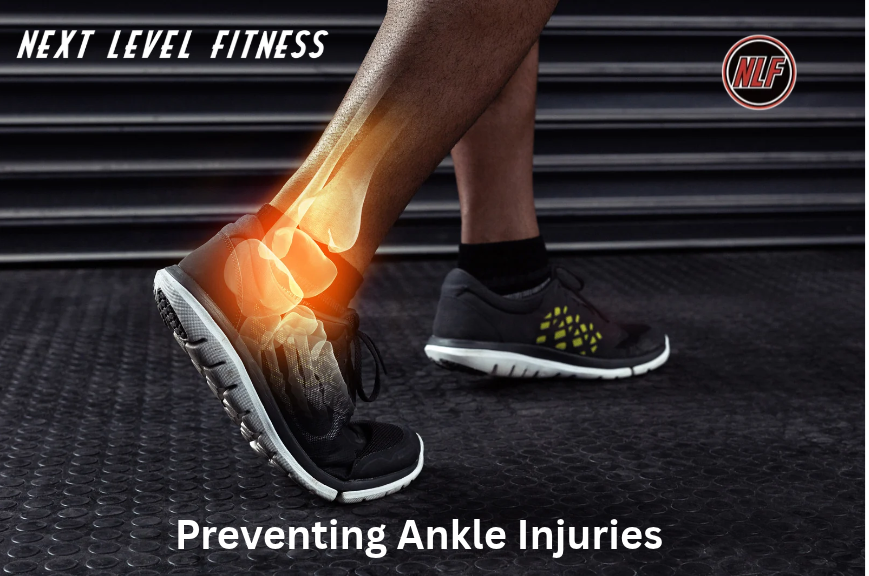
Understanding the Importance of Ankle Mobility and Flexibility
Ankle mobility and flexibility are foundational elements for overall lower body health and optimal movement mechanics. The ankle joint, a complex structure comprised of bones, ligaments, and tendons, plays a pivotal role in everyday activities—ranging from walking and running to more dynamic athletic movements such as jumping or squatting. When ankle mobility is restricted, it can lead to compensatory movement patterns, increasing the risk of injury not just in the foot and ankle, but also further up the kinetic chain in the knees, hips, and lower back.
Improved ankle flexibility allows for a greater range of motion, which is essential for maintaining balance, absorbing impact, and generating power efficiently. Whether you’re an athlete looking to enhance performance or someone focused on functional fitness, having supple and responsive ankles is crucial for stability and agility. Limited mobility in the ankle joint can contribute to common problems such as Achilles tendonitis, plantar fasciitis, and even chronic knee pain.
Why Prioritize Ankle Health?
- Injury Prevention: Flexible ankles reduce the likelihood of sprains and strains by adapting better to uneven surfaces and sudden directional changes.
- Enhanced Performance: Increased mobility translates to more efficient force transfer, allowing for stronger push-offs and better athletic output.
- Improved Functional Movement: Everyday tasks such as climbing stairs, kneeling, or even maintaining proper posture benefit from healthy, mobile ankles.
As you embark on exercises like calf raises and ankle board movements, understanding the significance of ankle mobility sets the foundation for long-term joint health and improved quality of movement.
The Role of Calf Muscles in Supporting Ankle Health
The calf muscles, comprising the gastrocnemius and soleus, play a pivotal role in maintaining ankle stability and function. These muscles connect the knee to the heel via the Achilles tendon and act as the primary drivers for plantarflexion—the movement that points your toes downward. Every step, jump, or pivot you make relies on the strength and flexibility of your calves. When these muscles are strong and supple, they provide essential support for the ankle joint, helping to absorb impact forces and facilitate smooth movement patterns.
Optimal ankle health hinges on the harmonious interaction between the calf muscles and the surrounding ligaments and tendons. Tight or weak calves can compromise this balance, leading to restricted mobility and increased risk of injury. For instance, limited calf flexibility may impede dorsiflexion—the upward movement of the foot—making it difficult to perform basic activities such as walking up stairs or squatting. Over time, this restriction can place undue stress on the ankle joint, contributing to discomfort and potential overuse injuries.
Key Functions of the Calf Muscles for the Ankle
- Shock Absorption: The calf muscles help cushion the impact when your foot strikes the ground.
- Movement Control: They regulate foot position and support balance during dynamic activities.
- Injury Prevention: Well-conditioned calves protect the ankle from sprains and strains by providing stability.
Understanding the integral role of the calf muscles sets the foundation for effective ankle mobility training, making exercises like calf raises and ankle board drills invaluable for anyone looking to enhance joint health and overall movement quality.
Benefits of Strong and Supple Ankles for Daily Activities
Strong and supple ankles are fundamental to maintaining an active, pain-free lifestyle. Every step you take—whether you’re walking to work, climbing stairs, or simply standing from a seated position—relies on the stability and flexibility of your ankles. When these joints are well-conditioned, they provide a crucial foundation for movement, balance, and injury prevention.
Enhanced Balance and Coordination
One of the primary benefits of robust ankle mobility is improved balance. The ankles act as stabilizers, making micro-adjustments with every shift in body weight. This heightened proprioception allows you to maintain stability on uneven surfaces, reducing the risk of slips and falls. For athletes and fitness enthusiasts, strong ankles translate into better performance, especially in activities that require quick changes in direction.
Injury Prevention
Supple ankles are less prone to common injuries such as sprains, strains, and overuse syndromes. Flexible muscles and ligaments around the joint absorb impact more efficiently, protecting the bones and soft tissues from sudden forces. This is particularly important as we age, when the risk of falls and related injuries increases.
Support for Daily Movement
From pushing off the ground during a brisk walk to pivoting during household chores, ankle strength and mobility ensure smooth, efficient movement. Reduced stiffness and increased range of motion in the ankles can alleviate compensatory stress on the knees, hips, and lower back, supporting overall joint health and comfort throughout daily routines.
By prioritizing ankle strength and flexibility through targeted exercises, you lay the groundwork for both enhanced athletic performance and ease in everyday activities, setting the stage for a more active and resilient lifestyle.
How to Perform Calf Raises in Standing and Sitting Positions
review the video link above
Calf raises are a fundamental exercise for enhancing ankle mobility and strengthening the lower legs. Whether performed in a standing or sitting position, these exercises target the gastrocnemius and soleus muscles, which play a crucial role in ankle stability and overall foot function. Understanding the correct technique is essential to maximize benefits and minimize the risk of injury.
Standing Calf Raises
To perform standing calf raises, begin by positioning your feet shoulder-width apart. Keep your core engaged and maintain a straight posture. Slowly lift your heels off the ground by pressing the balls of your feet into the floor, rising as high as possible. Hold the elevated position for a brief pause, feeling the contraction in your calf muscles. Gradually lower your heels back to the starting position. For added balance, you may lightly touch a wall or chair. Repeat for 10-15 repetitions, ensuring controlled movement throughout.
Sitting Calf Raises
Sitting calf raises are particularly effective for isolating the soleus muscle, which is vital for ankle flexibility. Sit on a sturdy chair with your feet flat on the floor and knees bent at a 90-degree angle. Place your hands on your thighs for support. Lift your heels off the ground, keeping the balls of your feet planted. Hold the top position momentarily, then slowly lower your heels. Aim for 12-15 repetitions, focusing on smooth, deliberate motions.
Practicing both standing and sitting calf raises regularly can significantly improve your ankle mobility, laying a solid foundation for more advanced mobility routines.
Integrating Ankle Board Exercises to Enhance Strength and Mobility
Unlocking optimal ankle mobility is essential for both athletic performance and daily movement efficiency. One of the most effective strategies to achieve this is by incorporating ankle board exercises into your routine. The unique design of an ankle board allows for controlled, multidirectional movement, targeting the small stabilizing muscles that often go neglected during traditional workouts. This not only helps improve flexibility but also fortifies the surrounding musculature, reducing the risk of injuries such as sprains or strains.
Ankle board exercises offer a dynamic platform to perform a variety of movements, from plantarflexion and dorsiflexion to inversion and eversion. By engaging the ankle in these diverse planes of motion, you stimulate proprioception—the body’s sense of joint position—leading to enhanced balance and coordination. These benefits are especially valuable for athletes, dancers, and individuals recovering from lower limb injuries, but anyone seeking improved joint health can reap the rewards.
Key Benefits of Ankle Board Integration
- Targeted Strengthening: Activates and strengthens stabilizers that support the ankle joint.
- Improved Range of Motion: Facilitates gentle stretching, increasing overall flexibility.
- Enhanced Balance: Challenges proprioception, sharpening reflexes and neuromuscular control.
By regularly integrating ankle board exercises, you create a foundation of strength and mobility that translates into smoother, more confident movement both in training and in everyday life.